Drain Repairs vs Drain Relining: Which Do You Need?
When faced with a damaged drain, homeowners in Reading and across Berkshire often wonder whether to opt for traditional drain repairs or the newer technique of drain relining. Understanding the differences between these methods can help you make an informed decision that suits your property's needs and your budget.
Both approaches have their merits and limitations, depending on the extent of the damage, accessibility, and your long-term expectations. This article explores how each method works, the pros and cons, and key considerations for properties in Reading, Thatcham, Newbury, and surrounding towns.
What Is Traditional Drain Repair?
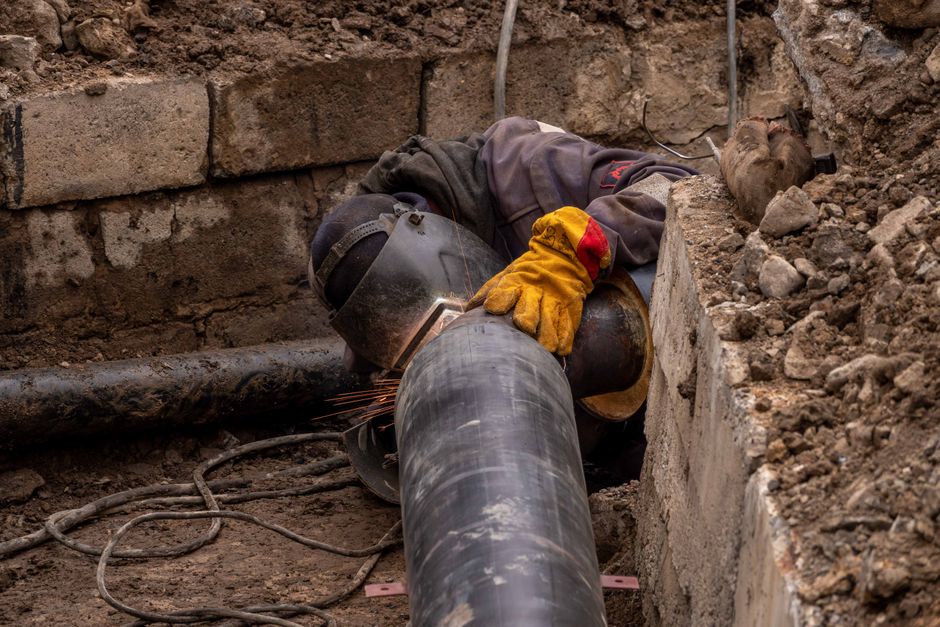
Traditional drain repair involves excavating the damaged section of pipe to carry out a full replacement or patching. This method requires digging trenches or breaking up surfaces such as driveways, gardens, or patios to expose the drain. Once accessed, plumbers or drainage specialists remove the affected pipe section and replace it with new piping.
This form of repair is typically used when drains are severely damaged, collapsed, or blocked beyond simple clearing methods. It’s a proven approach that offers a permanent fix by physically removing compromised material. However, excavation can be disruptive, costly, and time-consuming, especially if your property in Berkshire has landscaped gardens or hardscapes like those common in Reading or Pangbourne.
Despite these downsides, traditional repairs allow precise problem identification and the opportunity to upgrade old drains that might be prone to repeated issues, particularly in properties with aging infrastructure in places like Woodley or Hook.
Understanding Drain Relining
Drain relining is a no-dig, trenchless repair method that involves inserting a flexible, resin-coated liner inside the existing pipe. The liner cures and hardens, forming a new, durable pipe within the old damaged drain. This technique can seal cracks, holes, and minor collapses without the need for excavation.
Relining is often favoured when the damage is less extensive or when access is limited, such as beneath driveways or under buildings, common in urban areas around Reading and Theale. The process is less intrusive and generally quicker than traditional repairs, with minimal disruption to gardens or property surfaces.
However, not all drains are suitable for relining. Pipes must be structurally sound enough to hold the liner in place and free from major collapses or severe blockages. Relining also slightly reduces the pipe diameter, which might affect flow in smaller pipes.
Pros and Cons of Traditional Drain Repairs
One major advantage of traditional drain repairs is their ability to fully replace severely damaged or collapsed pipes, offering a long-lasting solution. This method allows for thorough inspection and repair work without relying on the existing pipe’s integrity.
On the downside, excavation can be messy, time-consuming, and expensive due to labour, reinstatement of driveways or landscaping, and potential traffic disruption if the property fronts a busy Reading street. In some Berkshire towns, the cost and impact of digging up large sections of garden or driveway might be prohibitive.
Additionally, traditional repairs can lead to a longer period of disturbance for homeowners, especially where permits and road closures are involved. Yet, the peace of mind knowing the pipe has been fully replaced makes it the preferred choice for severe damage.
Pros and Cons of Drain Relining
Drain relining is often more affordable and quicker to complete than traditional repairs. Homeowners in Whitchurch, Tadley, or Pangbourne appreciate the minimal disruption and faster turnaround, especially where driveway or garden access is restricted.
The no-dig nature preserves existing landscaping, hard surfaces, and reduces reinstatement costs. This makes it an attractive option in densely built areas or properties with elaborate garden designs typical of Berkshire homes.
However, relining isn’t suitable for every situation. If the drain has significant structural damage or severe blockages, relining may fail or provide only a temporary fix. Furthermore, since the new lining reduces the internal diameter slightly, it’s important to ensure your drain can maintain adequate flow after treatment.
How to Decide Which Method Suits Your Drain
Choosing between traditional repairs and drain relining depends on several factors: the extent and type of damage, pipe material and condition, access availability, and your budget. A CCTV drain survey is essential to accurately diagnose the problem and assess the drain’s condition in places like Hungerford or Aldermaston.
If the pipe is extensively cracked, collapsed, or has root ingress, traditional excavation may be necessary. For minor cracks, corrosion, or small holes, relining offers a less invasive solution that can prolong the pipe’s lifespan.
Consider the impact of excavation on your property and surroundings. Homes in Reading’s suburban areas with landscaped gardens may prefer relining to avoid costly reinstatement. Conversely, owners of older properties in Newbury with deteriorated drains might opt for full replacement to prevent future issues.
Local Considerations for Drain Repairs in Berkshire
Berkshire’s mix of urban and rural properties means drainage needs vary widely. Properties near the River Thames in Reading or Pangbourne might have different groundwater influences compared to more elevated areas like Tadley or Thatcham.
When planning repairs or relining, factors such as local soil type, proximity to watercourses, and the age of your property’s drainage system should be considered. Older Victorian-era pipes common in some parts of Reading may require more extensive work than newer plastic piping found in newer developments.
Local weather patterns and heavy rainfall events can also impact drain performance. Ensuring your drainage system is robust and appropriately repaired is critical to prevent flooding or subsidence issues prevalent in parts of Berkshire.
What to Expect During a Drain Repair or Relining Job
For traditional repairs, expect initial inspection and excavation work that may take several days depending on the damage and site conditions. During excavation, gardeners or driveway surfaces may be temporarily disrupted. After pipe replacement, reinstatement of surfaces and landscaping follows, which might extend the overall project duration.
In contrast, drain relining usually requires only a few hours to a day to complete. Technicians insert the liner via existing manholes or access points, cure the resin using hot water or steam, and then test the new pipe lining. Minimal equipment and disruption mean you can often continue using your property with little inconvenience.
Whichever method is chosen, discuss the process, timeline, and any necessary preparations with your drainage specialist to plan accordingly, especially if you live in more constrained spaces common in Reading or Woodley.
Preventative Measures to Protect Your Drains in Berkshire
Regular maintenance and early detection are crucial to avoiding major repairs. Schedule periodic CCTV inspections to catch small issues like cracks or blockages before they worsen. Residents in Theale or Hook should be especially vigilant following wet seasons or local construction activity that can disturb underground pipes.
Avoid flushing inappropriate materials down sinks or toilets and minimise garden waste entering outdoor drains to reduce blockages. Consider installing root barriers if you have trees near drainage pipes, as root intrusion is a common cause of damage in Berkshire's suburban gardens.
By taking these simple preventative steps, you can extend the lifespan of your drainage system and potentially avoid costly repairs or relining in the future.
Need a drainage expert in Reading?
Call 0118 367 0031